
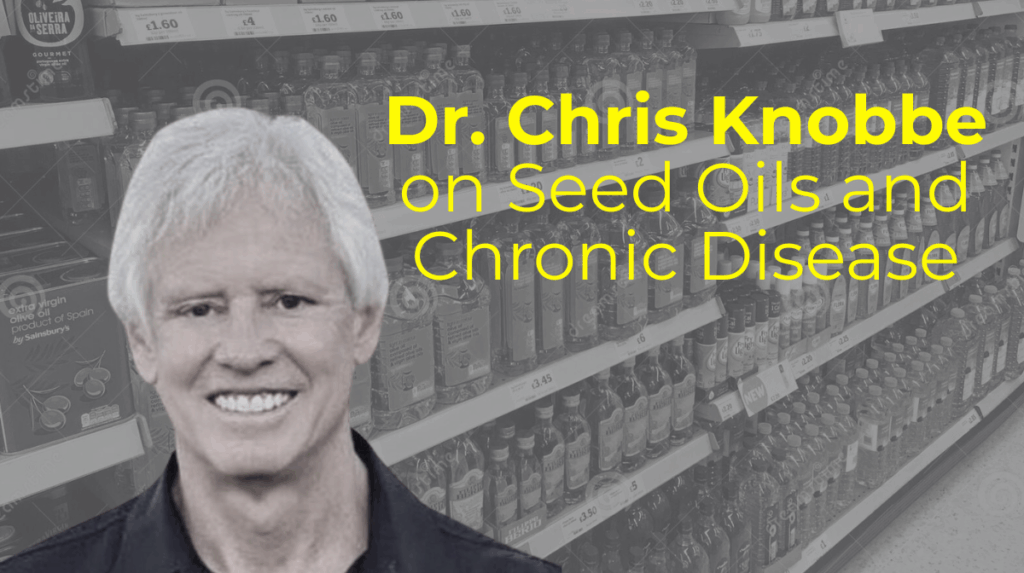
In the realm of nutrition and health, few topics spark as much debate as the role of industrial seed oils, often referred to as vegetable oils. Dr. Chris Knobbe, an ophthalmologist and founder of the Cure AMD Foundation, has emerged as a prominent advocate against these oils, claiming they are a significant contributor to chronic diseases. His perspective is rooted in evolutionary nutrition and metabolic theory, and he argues that the rise of seed oils in our diets correlates with an alarming increase in health issues over the past century.
The Central Claim: Seed Oils and Chronic Disease
Dr. Knobbe posits that the introduction of seed oils—such as soybean, canola, corn, sunflower, and safflower oils—has led to a dramatic rise in chronic diseases, including obesity, type 2 diabetes, cardiovascular disease, neurodegenerative disorders, cancer, and age-related macular degeneration (AMD). He frames this widespread dietary shift as a “global human experiment without informed consent,” suggesting that prior to the late 19th and early 20th centuries, chronic diseases were relatively rare. This assertion raises important questions about the impact of modern dietary practices on our health.
What Makes Seed Oils “Problematic”?
Dr. Knobbe identifies several key issues with seed oils, primarily their high levels of omega-6 linoleic acid (LA). He argues that excess LA accumulates in body fat, cell membranes, and mitochondria instead of being efficiently burned for energy. This accumulation is particularly concerning because LA is prone to oxidation, especially when heated or processed. The byproducts of oxidized LA, known as oxidized linoleic acid metabolites (OXLAMs), are described by Knobbe as cytotoxic, genotoxic, mutagenic, carcinogenic, atherogenic, and thrombogenic. He believes that these oxidized fats create a biochemical environment conducive to inflammation, oxidative damage, and metabolic dysfunction.
Moreover, Dr. Knobbe emphasizes the role of LA in mitochondrial dysfunction. When LA accumulates in mitochondrial membranes, it can lead to oxidative damage, impairing energy production and increasing levels of reactive oxygen species (ROS). This oxidative stress is a recognized contributor to aging and various diseases, including insulin resistance and neurodegeneration.
Insulin Resistance and Metabolic Syndrome
Dr. Knobbe further connects seed oil consumption to insulin resistance, a hallmark of metabolic syndrome. He argues that the oxidative stress caused by oxidized LA interferes with normal insulin signaling and fat metabolism, potentially leading to increased fat storage and elevated blood sugar levels. This metabolic dysfunction, he claims, is a driving force behind the obesity and type 2 diabetes epidemics in modern populations.
A Broader Perspective on Chronic Diseases
Rather than viewing conditions like heart disease, cancer, Alzheimer’s, or AMD as isolated issues, Dr. Knobbe suggests they share a common root in metabolic and oxidative dysfunction triggered by dietary factors, particularly seed oils. He posits that these oils initiate a “catastrophic lipid peroxidation cascade” that fuels chronic disease pathways, highlighting the interconnectedness of various health issues.
Scientific Controversy and Context
Despite the compelling nature of Dr. Knobbe’s claims, it is essential to recognize that his views are controversial and not universally accepted within mainstream nutrition science. Many scientific institutions and large epidemiological studies support the idea that unsaturated fats, including those found in seed oils, can be beneficial for heart health when they replace saturated fats. Additionally, research on inflammation and omega-6 fats presents mixed findings, with some studies suggesting that omega-6 fats do not necessarily increase inflammation if omega-3 intake is balanced.
The debate surrounding seed oils remains active, with newer research sometimes indicating benefits, such as associations with lower inflammation or diabetes risk, while other studies highlight concerns about oxidative metabolites. Thus, claims that seed oils are universally toxic or “worse than sugar” are not settled science but rather reflect one interpretation focused on oxidative stress and LA metabolism.
Ties to Aging Biology
Dr. Knobbe’s emphasis on oxidative stress, mitochondrial dysfunction, insulin resistance, and chronic inflammation aligns with recognized mechanisms in the biology of aging. Mitochondrial dysfunction is a hallmark of aging, contributing to reduced energy output and increased ROS. Oxidative damage accelerates cellular aging, while insulin resistance and metabolic syndrome can shorten healthspan and promote age-related diseases. While Dr. Knobbe highlights seed oils as a major contributor to these metabolic stressors, not all nutrition scientists agree on the strength or universality of his claims.
Dr. Chris Knobbe argues that industrial seed oils are a significant, yet under-recognized, driver of metabolic dysfunction, inflammation, and chronic disease. He attributes their high omega-6 linoleic acid content, propensity to oxidize, and prevalence in processed foods as central to modern health problems. While his perspective intersects with broader aging science, caution is warranted as many mainstream researchers emphasize that the evidence surrounding seed oils is mixed and that they can be part of a healthy diet when balanced with other fats. As the debate continues, it is crucial to approach the topic with an open mind and a commitment to understanding the complexities of nutrition and health.
How Glutathione Helps Repair Damage Associated with Seed Oils
In recent years, the conversation around dietary fats has intensified, particularly concerning liquid seed oils that are rich in polyunsaturated fats, especially linoleic acid (LA). These fats are known for their chemical fragility, which makes them prone to oxidation during processing, heating, and even within our bodies. When oxidized, they can produce harmful byproducts like lipid peroxides that can stress our cells, disrupt mitochondrial function, and throw our metabolism out of balance. This is where glutathione, a powerful antioxidant, comes into play. While it may not prevent all damage, it plays a crucial role in limiting oxidative stress and restoring cellular balance after exposure to these harmful compounds.
Neutralizing Lipid Peroxides and Oxidative Stress
One of the primary concerns with oxidized linoleic acid is the formation of reactive lipid byproducts that can wreak havoc on our cells. These byproducts can damage cell membranes, disrupt energy production in mitochondria, and trigger inflammatory responses. Glutathione steps in to help by directly neutralizing reactive oxygen species (ROS) and acting as a co-factor for glutathione peroxidase, an enzyme that detoxifies lipid peroxides. This is particularly important because lipid peroxides are not efficiently neutralized without adequate levels of glutathione. When glutathione levels are low, oxidized fats can linger in tissues, leading to further damage.
Protecting Mitochondrial Membranes
Mitochondria, the powerhouses of our cells, are especially vulnerable to oxidative damage due to their role in energy production and their lipid-rich membranes. Seed oils can alter mitochondrial membrane composition, making them more susceptible to oxidative stress. Glutathione helps protect these vital organelles by preserving membrane integrity, preventing the oxidation of mitochondrial lipids, and supporting mitophagy—the process of removing damaged mitochondria. This is crucial because damaged mitochondria tend to produce even more oxidative stress, creating a vicious cycle that can only be broken with the help of antioxidants like glutathione.
Supporting Detoxification of Oxidized Fat Byproducts
The body must process and eliminate oxidized seed oil byproducts, primarily through the liver. Glutathione plays a vital role in this detoxification process, particularly during Phase II detoxification, where toxic lipid metabolites are conjugated and made water-soluble for elimination via bile or urine. When glutathione levels are depleted, detox pathways slow down, allowing lipid byproducts to linger in circulation and tissues longer than they should. Thus, glutathione not only combats oxidation but also facilitates the cleanup process, ensuring that harmful compounds are efficiently removed from the body.
Restoring Redox Balance After Chronic Exposure
Modern diets often expose individuals to high levels of seed oils, refined carbohydrates, and environmental toxins, all of which increase oxidative load. Glutathione acts as a redox buffer, helping cells return to equilibrium after experiencing stress. When glutathione levels are sufficient, cells can recover more quickly, inflammatory signaling is reduced, and repair processes can resume. Conversely, when glutathione is chronically low, cells remain in a stressed state, which can exacerbate metabolic dysfunction and contribute to issues like insulin resistance and accelerated aging.
Limiting Inflammatory Signaling Triggered by Oxidized Fats
Oxidized linoleic acid metabolites can activate inflammatory pathways, leading to chronic inflammation. Glutathione helps regulate this process by reducing oxidative triggers of inflammation, supporting immune cell function, and limiting