Aging is a universal experience, but it’s not just about the visible signs like wrinkles or gray hair. At its core, aging is a complex biological process that unfolds at the molecular and cellular levels, leading to a decline in our bodies’ resilience. To make sense of this intricate phenomenon, scientists have developed the concept of the “hallmarks of aging.” This framework outlines a series of biological features that emerge as we age, helping us understand the underlying mechanisms of aging and why they matter for our health.
Originally, researchers identified nine hallmarks of aging, such as genomic instability and mitochondrial dysfunction. As our understanding of aging has evolved, this list has expanded to include up to a dozen features. What’s crucial to note is that these hallmarks are interconnected; a change in one can significantly impact another, creating a complex web of biological interactions.
The Hallmarks of Aging: Key Biological Themes
Let’s break down the major hallmarks of aging, which can be thought of as biological themes that go awry over time:
- Genomic Instability: Over time, our DNA accumulates damage from various sources, including environmental stressors and errors during replication. As our repair systems weaken, cells become more prone to dysfunction or death.
- Telomere Attrition: Telomeres, the protective caps on our chromosomes, shorten with each cell division. When they become too short, cells receive signals to stop dividing or to die, which can lead to tissue degeneration.
- Epigenetic Alterations: Epigenetics refers to the mechanisms that regulate gene expression. As we age, these regulatory systems can become disordered, leading to miscommunication within cells.
- Loss of Proteostasis: Proteins must be correctly folded and recycled to function properly. Aging cells struggle with this cleanup, leading to the accumulation of damaged proteins.
- Deregulated Nutrient Sensing: Cells have sensors that monitor energy levels. When these sensors malfunction, often due to dietary imbalances, it can accelerate aging.
- Mitochondrial Dysfunction: Mitochondria are the powerhouses of our cells, generating energy. With age, they produce less energy and more harmful byproducts, contributing to cellular stress.
- Cellular Senescence: Damaged cells can enter a state of senescence, where they stop dividing but release inflammatory signals that harm surrounding cells.
- Stem Cell Exhaustion: Stem cells are essential for tissue repair. As we age, they become depleted or dysfunctional, slowing down our body’s ability to heal.
- Altered Intercellular Communication: Aging disrupts the communication between cells, particularly in the immune system, leading to chronic inflammation and tissue dysfunction.
In addition to these nine hallmarks, newer research has proposed additional features such as chronic inflammation, gut microbiome imbalance (dysbiosis), and impaired autophagy, which are also significant contributors to the aging process.
The Importance of Mitochondrial and Metabolic Health
Mitochondria are crucial for energy production in our cells. As they age, they not only produce less energy but also generate more damaging byproducts, which can lead to chronic stress within cells. This decline in mitochondrial function is not an isolated issue; it has ripple effects on other hallmarks of aging. For instance, damaged mitochondria can trigger cellular senescence, leading to inflammation, while energy shortages can disrupt nutrient-sensing pathways, promoting metabolic disorders.
Metabolic health is equally important in the aging process. As we age, our cells become less adaptable in how they utilize energy sources, and insulin signaling can become dysregulated. This can lead to chronic diseases and further promote cellular senescence. When metabolism is out of balance, it creates a state of stress that accelerates aging.
Strategies to Improve Aging Hallmarks
While aging is inevitable, there are several strategies we can adopt to support mitochondrial and metabolic health, potentially slowing the progression of these hallmarks:
Lifestyle Approaches
- Exercise: Regular physical activity, particularly aerobic and strength training, can stimulate the production of new mitochondria.
- Nutrition: A balanced diet with appropriate calorie intake can improve nutrient sensing and metabolic flexibility.
- Sleep and Stress Management: Prioritizing good sleep and managing stress can enhance cellular repair processes.
Emerging Biological Interventions
Researchers are exploring various interventions, such as:
- Senolytics: These are drugs designed to eliminate senescent cells.
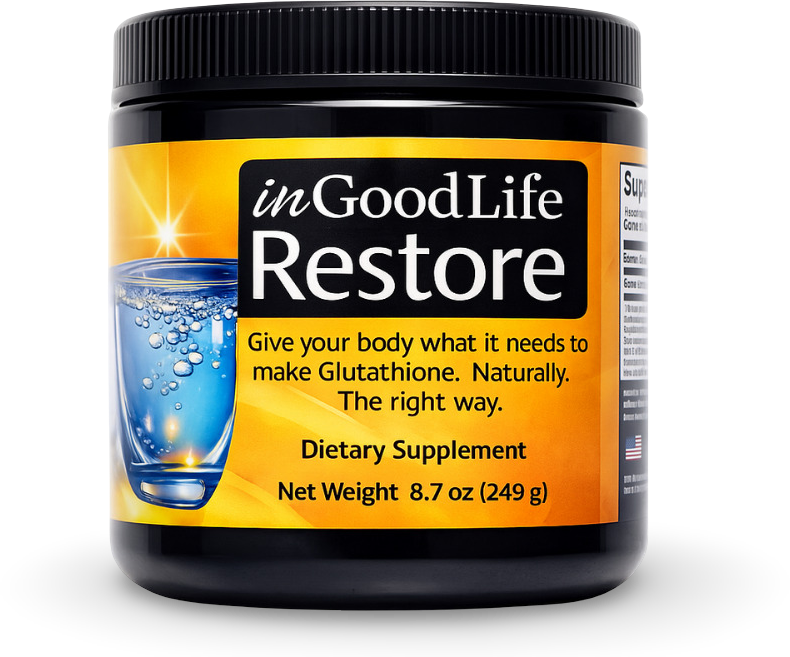
- Glutathione Precursors: These amino acids, glycine and cysteine are made into glutathione.
- NAD+ Boosters: These compounds support cell organelle function and metabolic signaling.
These strategies aim to improve the underlying mechanisms of aging rather than merely addressing symptoms.
The Role of Glutathione in Aging
One molecule that plays a significant role across many hallmarks of aging is glutathione, often referred to as the body’s “master antioxidant.” Glutathione is involved in cellular repair, mitochondrial protection, detoxification, and maintaining metabolic resilience. As we age, glutathione levels naturally decline, impacting various aging processes.
Glutathione helps protect our DNA from oxidative damage, supports mitochondrial function, maintains protein quality control, and regulates nutrient sensing. By ensuring adequate levels of glutathione, we can potentially slow down the biological processes associated with aging.
Taking A Holistic Approach to Aging
The hallmarks of aging provide a roadmap for understanding how and why aging occurs at a biological level. By focusing on mitochondrial, cellular, and metabolic health, we can strengthen the foundations of cellular resilience and slow down the aging process. Supporting glutathione levels through lifestyle choices and emerging therapies may help us not only extend our lifespan but also enhance our healthspan — the quality of life as we age.
As we continue to explore the science of aging, it becomes clear that while we cannot stop the clock, we can certainly influence how we age. By adopting healthy habits and staying informed about emerging research, we can take proactive steps toward a healthier, more vibrant life as we grow older.