
As we age, our bodies undergo various changes that can affect our health and well-being. One of the significant changes is the increase in oxidative stress, which is linked to several age-related diseases, including cataracts, neurodegenerative disorders, and immune deficiencies. But what exactly causes this oxidative stress, and how can we combat it? Recent research has shed light on the role of glutathione, a powerful antioxidant, in this process and how dietary supplements can make a difference.
What is Glutathione?
Glutathione is a tripeptide composed of three amino acids: glutamate, cysteine, and glycine. It is the most abundant antioxidant in our cells, helping to neutralize harmful free radicals and protect our cells from damage. However, studies have shown that as we age, our levels of glutathione decline, leading to increased oxidative stress and a higher risk of various diseases.
The Research: Glutathione Deficiency in the Elderly
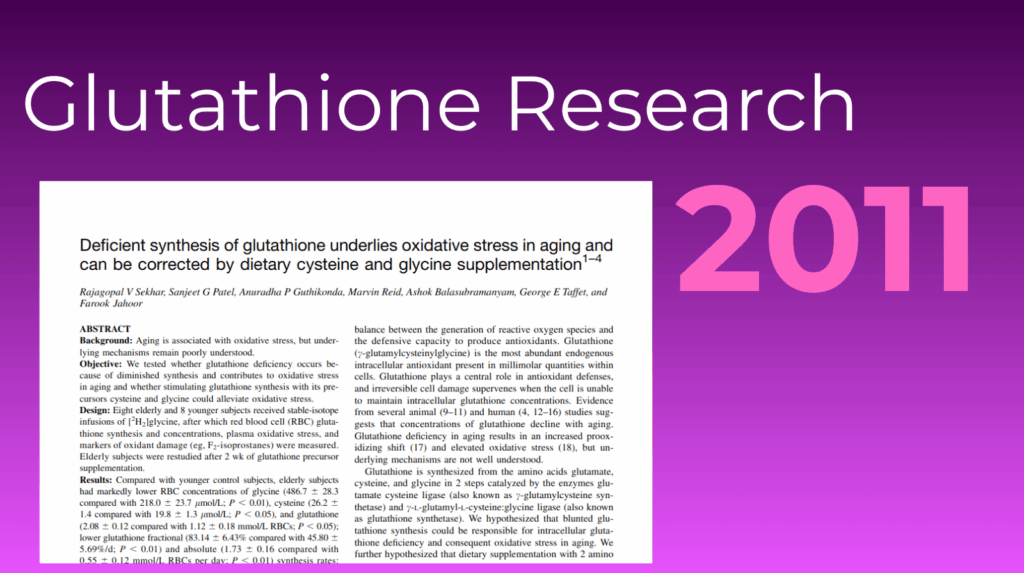
A recent study compared the glutathione levels and oxidative stress markers between younger individuals and older adults. The findings were striking. Elderly participants had significantly lower levels of glycine and cysteine—two amino acids crucial for glutathione synthesis. Consequently, their glutathione levels were also much lower than those of younger individuals. This deficiency was associated with higher oxidative stress markers in their plasma, indicating that their cells were under more oxidative stress than those of younger participants.
The Solution: Dietary Supplementation
To address this deficiency, researchers provided elderly participants with dietary supplements containing cysteine and glycine for two weeks. The results were remarkable. After supplementation, the elderly participants showed a dramatic increase in their glutathione levels, with a 94.6% increase in concentration and a significant reduction in oxidative stress markers. In fact, their glutathione levels post-supplementation were comparable to those of the younger control group.
This suggests that by simply adding these amino acids to their diet, older adults can effectively boost their glutathione levels, thereby reducing oxidative stress and potentially lowering their risk of age-related diseases.
Why This Matters
The implications of these findings are significant. Oxidative stress is a contributing factor to many chronic diseases that affect older adults. By improving glutathione levels through dietary supplementation, we may be able to enhance the health and quality of life for the elderly. This approach is not only simple and cost-effective but also safe, as the study reported no adverse effects from the supplementation.
Practical Takeaways
- Consider Nutritional Supplements: If you or a loved one is aging, consider discussing the potential benefits of supplementing with inGoodLife Restore with a healthcare provider. The amino acids in Restore give your body what it needs to make glutathione, naturally, and as needed.
- Focus on Nutrition: A proper diet free of sugar, highly refined carbohydrates, liquid seed oils like vegetable oil, and artificial ingredients can help your body by reducing toxins.
- Stay Informed: As research continues to evolve, staying informed about the latest findings on aging and nutrition can empower you to make better health choices.
- Consult with Professionals: Always consult with a healthcare professional before starting any new supplement regimen, especially if you have existing health conditions or are taking medications.
Conclusion
Aging is a natural process, but the effects of oxidative stress can be mitigated through dietary interventions. The recent study highlights the importance of glutathione and its precursors in maintaining health as we age. By incorporating cysteine and glycine into the diet, older adults can potentially enhance their antioxidant defenses, reduce oxidative stress, and improve their overall health. As we continue to learn more about the aging process, simple nutritional strategies may offer powerful tools for promoting longevity and well-being.
References
Deficient synthesis of glutathione underlies oxidative stress in aging and can be corrected by dietary cysteine and glycine supplementation, 2011, RV Sekhar, SG Patel, AP Guthikonda, M Reid, A Balasubramanyam, GE Taffet, and F Jahoor. https://pubmed.ncbi.nlm.nih.gov/21795440/