
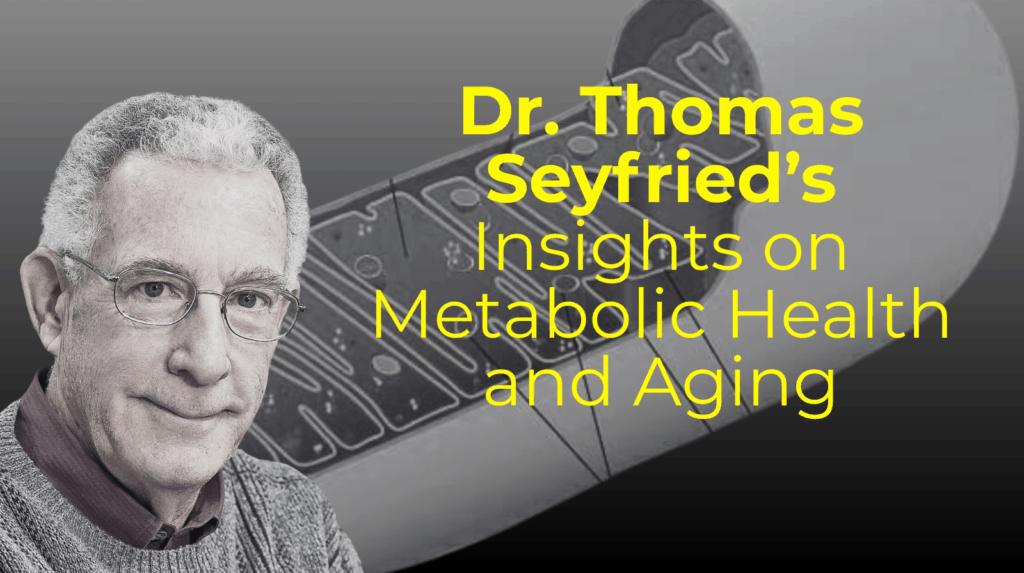
In the realm of cancer research, Dr. Thomas N. Seyfried stands out for his unique perspective that emphasizes the role of metabolism, particularly mitochondrial function, in understanding disease. With a career dedicated to integrating historical insights from Otto Warburg’s metabolic studies with contemporary cell biology, Seyfried has shifted the conversation around cancer from a purely genetic focus to one that considers the fundamental energy processes within our cells.
The Metabolic Perspective on Cancer
For decades, the prevailing theory in cancer research has been the somatic mutation theory, which posits that random genetic mutations lead to the development of cancerous cells. However, Dr. Seyfried challenges this notion by asserting that cancer is primarily a disease of disordered metabolism, particularly within the mitochondria—the energy-producing structures of our cells. His work builds on Warburg’s early 20th-century observations that cancer cells often prefer to ferment glucose for energy, even in the presence of oxygen, a phenomenon known as the Warburg effect.
This metabolic dysfunction is significant because it suggests that cancer cells, unlike healthy cells, often have damaged mitochondria and resort to less efficient energy production methods, such as anaerobic glycolysis. This reliance on glucose and glutamine for energy not only highlights the metabolic vulnerabilities of cancer cells but also reframes our understanding of cancer as a failure of cellular energy systems rather than merely a series of genetic errors.
Implications for Metabolic Health and Aging
While Seyfried’s research primarily focuses on cancer, it has profound implications for our understanding of aging and metabolic health. One of the key concepts he discusses is mitochondrial dysfunction, which is a hallmark of aging. As we age, our mitochondria often become less efficient at producing energy, leading to increased oxidative stress and inflammation—two factors that contribute to the aging process.
Moreover, Seyfried emphasizes the importance of cellular flexibility, or the ability of cells to switch between different energy sources. Healthy cells can adapt to using ketones produced during fasting or low-carb diets, while cancer cells struggle with this metabolic flexibility. This loss of adaptability is not only relevant to cancer but also to the aging process, as it can indicate a decline in overall metabolic health.
Exploring Metabolic Therapies
In light of his findings, Dr. Seyfried advocates for metabolic therapy strategies that exploit the unique energy requirements of cancer cells. One prominent approach is the ketogenic diet, which drastically reduces carbohydrate intake, thereby lowering blood glucose levels. This dietary shift can induce a state of ketosis, where the body relies more on fat and ketone bodies for energy. Healthy cells can adapt to this change, whereas cancer cells often cannot, making this a potential therapeutic avenue.
Seyfried also discusses the concept of “Press-Pulse Metabolic Therapy,” which combines long-term glucose suppression with periodic interventions targeting other fuels like glutamine. However, he cautions that these strategies should not be undertaken lightly and require professional medical supervision to ensure safety and efficacy.
The Bigger Picture: Metabolic Health as a Foundation
Dr. Seyfried’s work underscores a crucial message that extends beyond cancer research: maintaining robust, flexible, and efficient cellular metabolism is vital for overall health and resilience against chronic diseases, particularly as we age. When our energy systems falter, the risk of developing chronic diseases and experiencing age-related decline increases significantly.
In conclusion, the insights provided by Dr. Seyfried not only reshape our understanding of cancer but also highlight the importance of metabolic health in the context of aging. By focusing on how our cells manage energy and adapt to different fuel sources, we can better appreciate the intricate connections between metabolism, disease, and longevity. As we continue to explore these relationships, it becomes clear that fostering metabolic health is foundational to enhancing our quality of life as we age.