
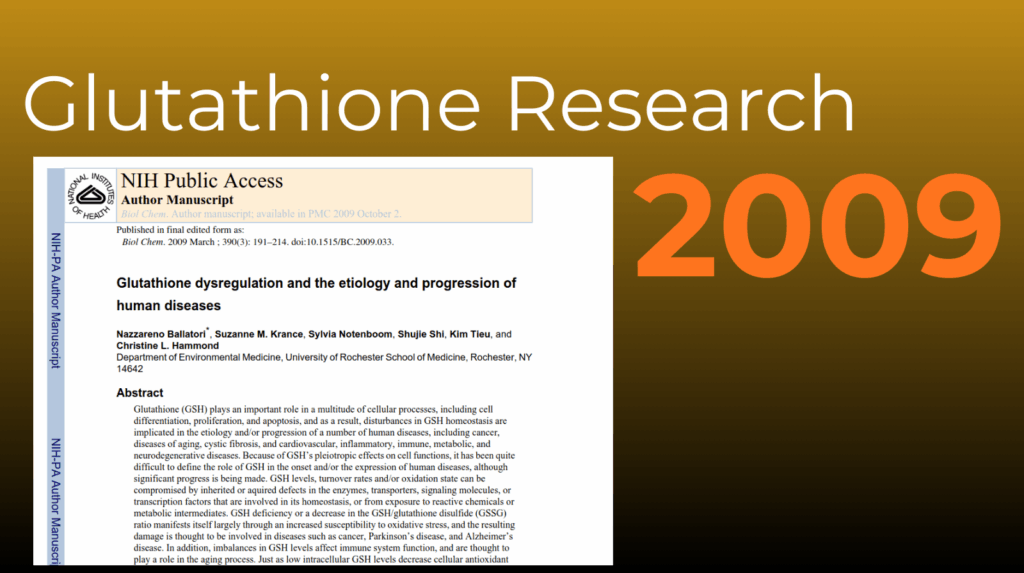
Understanding the Role of Glutathione in Human Health: A Review of Recent Research
In the realm of cellular biology, glutathione (GSH) is a powerhouse molecule that plays a crucial role in maintaining cellular health. A recent research paper published in Biological Chemistry delves into the intricate relationship between glutathione dysregulation and various human diseases, shedding light on its significance in conditions like cancer, neurodegenerative disorders, and more.
What is Glutathione?
Glutathione is a tripeptide composed of three amino acids: glutamate, cysteine, and glycine. It acts as a potent antioxidant, helping to neutralize harmful free radicals and maintain the redox state of cells. This balance is vital for numerous cellular processes, including cell growth, differentiation, and programmed cell death (apoptosis).
The Importance of Glutathione Levels
The research highlights that maintaining proper levels of GSH is essential for cellular function. When GSH levels are disrupted—either through genetic factors, environmental toxins, or metabolic issues—cells become more susceptible to oxidative stress. This stress can lead to cellular damage and is implicated in the progression of various diseases, including cancer, Alzheimer’s, and Parkinson’s disease.
Interestingly, cancer cells often exhibit elevated levels of GSH, which can make them resistant to chemotherapy. This resistance poses a significant challenge in cancer treatment, as the high GSH levels help these cells withstand the oxidative damage caused by cancer drugs.
Glutathione and Neurodegenerative Diseases
The paper also discusses the role of glutathione in neurodegenerative diseases. The brain is particularly vulnerable to oxidative stress due to its high oxygen consumption. Research indicates that lower levels of GSH in the brain are associated with conditions like Alzheimer’s and Parkinson’s disease. For instance, patients with Parkinson’s disease show a significant reduction in GSH levels in the substantia nigra, a critical area for dopamine production.
Therapeutic Implications
Given the central role of GSH in cellular health, researchers are exploring ways to restore its levels as a potential therapeutic strategy. However, delivering GSH effectively to the brain is challenging due to the blood-brain barrier and the potential toxicity of its precursors, like cysteine.
Conclusion
The findings from this research underscore the importance of glutathione in human health and disease. As scientists continue to unravel the complexities of GSH regulation, there is hope that future therapies could harness its protective properties to combat various diseases. Understanding and managing glutathione levels may pave the way for innovative treatments that enhance cellular resilience and improve health outcomes.
In summary, glutathione is not just a simple antioxidant; it is a vital player in the intricate web of cellular processes that sustain life. As we learn more about its functions and implications in disease, we move closer to unlocking new avenues for health and healing.
Reference
Glutathione dysregulation and the etiology and progression of human diseases, 2009, N Ballatori, SM Krance,
S Notenboom, S Shi, K Tieu and CL Hammond. https://pmc.ncbi.nlm.nih.gov/articles/PMC2756154/